

When it comes to the bag manufacturing industry, the choice between domestic and imported bag making machines is a crucial decision that can significantly impact a business's efficiency, productivity, and bottom line. As a bag making machine supplier, I've witnessed firsthand the diverse needs of our clients and the factors they consider when selecting the right equipment. In this blog post, I'll delve into the key differences between domestic and imported bag making machines to help you make an informed choice for your business.
1. Cost
One of the most significant factors that businesses consider when purchasing bag making machines is cost. Domestic bag making machines are generally more affordable than their imported counterparts. This is because domestic manufacturers often have lower production costs, including labor, raw materials, and overhead expenses. Additionally, domestic machines may not incur the same import duties, shipping costs, and currency exchange fluctuations that can drive up the price of imported equipment.
For small and medium-sized enterprises (SMEs) with limited budgets, domestic bag making machines can offer a cost-effective solution without compromising on quality. These machines can provide reliable performance and meet the basic production requirements of many businesses. However, it's important to note that the lower cost of domestic machines may also mean fewer advanced features and a shorter lifespan compared to imported models.
On the other hand, imported bag making machines are typically more expensive due to the higher production costs associated with international manufacturing and shipping. However, these machines often come with advanced technology, superior quality, and better after-sales support. For large-scale manufacturers or businesses that require high-speed, high-precision production, the investment in imported machines may be justified by the long-term benefits they offer.
2. Quality and Technology
Imported bag making machines are often associated with higher quality and more advanced technology. Many international manufacturers have a long history of innovation and expertise in the bag making industry, allowing them to develop cutting-edge machines that offer superior performance, precision, and reliability. These machines may feature advanced control systems, automated processes, and high-quality components that ensure consistent production of high-quality bags.
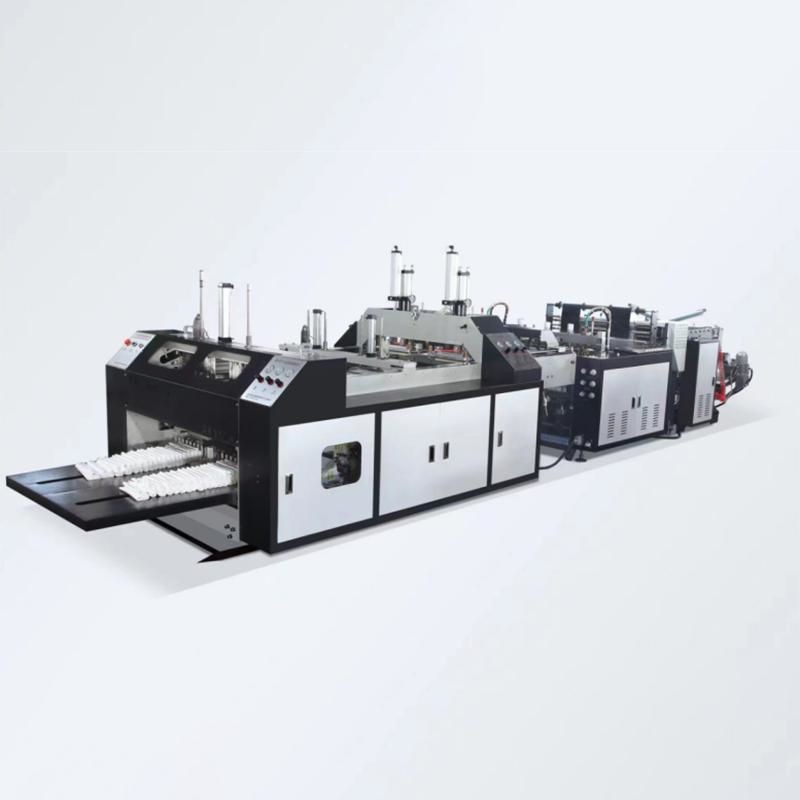

For example, some imported bag making machines are equipped with state-of-the-art servo motors and sensors that provide precise control over the bag making process, resulting in accurate bag dimensions and a high level of product consistency. Additionally, imported machines may offer advanced features such as automatic bag counting, length adjustment, and waste removal, which can significantly improve production efficiency and reduce labor costs.
In contrast, domestic bag making machines may have a more basic design and fewer advanced features. While the quality of domestic machines has improved significantly in recent years, they may still lag behind imported models in terms of technology and performance. However, domestic manufacturers are constantly investing in research and development to catch up with international standards, and many now offer machines that are comparable in quality and performance to imported models at a lower price.
3. Customization and Flexibility
Another important factor to consider when choosing between domestic and imported bag making machines is customization and flexibility. Domestic manufacturers are often more willing and able to customize their machines to meet the specific needs of their clients. This is because they have a better understanding of the local market and can provide more personalized service and support.
For example, if a business requires a bag making machine with a specific bag size, shape, or production speed, a domestic manufacturer may be able to modify their standard machine to meet these requirements. Additionally, domestic manufacturers may be more responsive to changes in the client's production needs and can provide faster turnaround times for custom orders.
Imported bag making machines, on the other hand, may have more standardized designs and limited customization options. This is because international manufacturers often produce machines for a global market and need to maintain a certain level of consistency in their product offerings. However, some imported manufacturers may offer limited customization options for an additional fee.
4. After-Sales Support
After-sales support is an important consideration when purchasing any type of equipment, including bag making machines. Domestic manufacturers generally offer better after-sales support compared to imported manufacturers. This is because they are located closer to their clients and can provide faster response times and more personalized service.
Domestic manufacturers may have local service centers and technicians who can quickly diagnose and repair any issues with the bag making machines. They may also offer training programs for operators and maintenance staff to ensure that the machines are operated and maintained correctly. Additionally, domestic manufacturers may provide spare parts and consumables at a lower cost and with shorter lead times.
Imported manufacturers, on the other hand, may have limited after-sales support in the local market. This is because they are located overseas and may face challenges such as language barriers, time differences, and shipping delays. However, some imported manufacturers may have authorized service centers or distributors in the local market that can provide after-sales support.
5. Examples of Our Bag Making Machines
As a bag making machine supplier, we offer a wide range of domestic and imported bag making machines to meet the diverse needs of our clients. Here are some examples of our popular bag making machines:
- Double Channel Roll Vest Bag Making Machine: This machine is designed to produce double-channel roll vest bags with high efficiency and precision. It features advanced control systems and automated processes that ensure consistent production of high-quality bags.
- Double Channel Coreless Roll Bag Making Machine: This machine is suitable for producing double-channel coreless roll bags. It offers a high level of flexibility and can be customized to meet the specific needs of our clients.
- Automatic Hot Air Cold Cutting Bag Making Machine: This machine uses hot air to seal the bags and cold cutting technology to ensure clean and precise cuts. It is ideal for producing a variety of bags, including shopping bags, garbage bags, and food bags.
Conclusion
In conclusion, the choice between domestic and imported bag making machines depends on a variety of factors, including cost, quality, technology, customization, and after-sales support. Domestic bag making machines are generally more affordable and offer better after-sales support, making them a good choice for small and medium-sized enterprises with limited budgets. Imported bag making machines, on the other hand, are typically more expensive but offer higher quality, more advanced technology, and better customization options, making them a better choice for large-scale manufacturers or businesses that require high-speed, high-precision production.
As a bag making machine supplier, we understand the importance of helping our clients make the right choice for their business. We offer a wide range of domestic and imported bag making machines, as well as personalized service and support to ensure that our clients get the most out of their investment. If you're interested in learning more about our bag making machines or need help selecting the right equipment for your business, please don't hesitate to contact us. We look forward to working with you to meet your bag making needs.
References
- Industry reports on bag making machine manufacturing
- Interviews with bag making machine manufacturers and users